
Mecklenburg County Court Dockets
A docket is the court's chronological record of case activity. In Mecklenburg County, a docket can show filing events, hearings, orders, dispositions, and financial activity, depending on case type and public-access limits. A hearing calendar is narrower. It helps a reader find when and where a case is set, who the judicial officer may be, and what type of hearing is scheduled.
North Carolina does not have a separate local court system for Mecklenburg. The county sits in Judicial District 26 inside the General Court of Justice. Superior Court handles felony criminal cases, larger civil cases, and appeals from District Court. District Court handles misdemeanors, traffic, infractions, small claims, family cases, juvenile matters, domestic violence, and first appearances. That structure affects docket searches because a felony setting, a traffic court date, and a family hearing may use different case-type filters even when they are all housed in the same statewide Portal system.
The North Carolina court structure page explains where Mecklenburg County dockets fit within the state system.
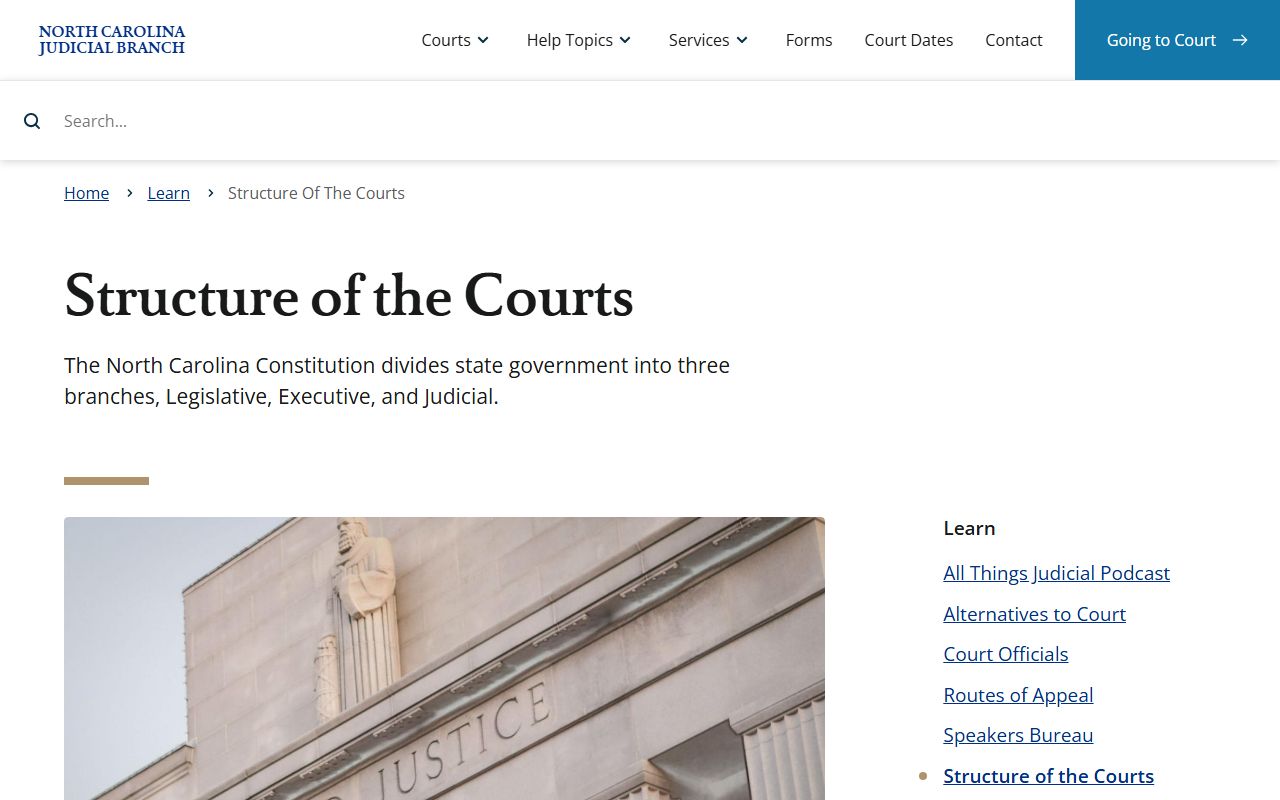
That statewide structure is why Mecklenburg dockets are searched through North Carolina court tools rather than a separate county-only docket site.
Search Mecklenburg County Hearings
For court dates and calendars, use Portal Search Hearings rather than starting with a broad case search. The Portal Search Hearings tool can search by case number, party name, business name, attorney name, attorney bar number, judicial officer, or courtroom. Mecklenburg County should be selected under location when the search needs local hearing results.
Search Hearings is useful when a case number is known, when a person needs to confirm a pending court date, or when a courtroom or judicial officer search is more useful than a full case file lookup. It can search hearing types such as civil, criminal, family, and probate or mental health. Mental health and juvenile records still require caution because some information may be restricted even if a hearing category appears in the search interface.
| Field Label | Type | Required | Options / Format Notes |
|---|---|---|---|
| Select Location | Dropdown or multi-select | Yes | Choose Mecklenburg County for local court dockets. |
| Select Hearing Types | Dropdown or multi-select | Yes | All Hearing Types, Civil, Criminal, Family, Probate or Mental Health. |
| Select Search Types | Dropdown | Yes | Case Number, Party Name, Business Name, Attorney Name, Attorney Bar Number, Judicial Officer, or Courtroom. |
| Sounds Like | Checkbox | No | Allows fuzzy name matching for party searches. |
| Search by Criteria | Text | Yes after search type | Label changes based on the selected search type. |
| Last Name and First Name | Text | Yes for person search | Middle name is optional for refinement. |
| Judicial Officer | Autocomplete or dropdown | Only if selected | Used when searching a judge or officer calendar. |
Note: Check court dates close to the hearing because calendar entries can change after continuances, orders, or case-management decisions.
Mecklenburg County Docket Lookup Steps
Search Hearings answers date and calendar questions. Smart Search answers case-record questions. Many Mecklenburg County docket tasks use both. A person may use Search Hearings to confirm a court date, then open Smart Search to review the register of actions, party information, dispositions, and financial entries that place the hearing in context.
- Open the NC Judicial Branch Portal and choose Search Hearings for calendar details.
- Select Mecklenburg County as the location and choose the relevant hearing type.
- Choose the search type, such as case number, party name, attorney, judicial officer, or courtroom.
- Review the hearing result for date, hearing type, courtroom, judicial officer, and party match.
- Use Smart Search when the docket event needs to be compared with the broader case record.
- Contact the Clerk of Superior Court if the case is older, missing, sealed, or not clear from online entries.
Portal home also includes Make Payments and Judgment Search, but those are separate tools. A docket search should not be treated as proof that all documents are online, and it should not replace a certified clerk copy when an official record is needed.
Mecklenburg County Docket Fields
Research did not locate a separate Mecklenburg sample docket image with every field exposed, but the Portal training inventory identifies the main case and docket areas that can appear. A practical docket entry should be read as one line in a larger case timeline. The event title may not explain the legal effect by itself, so look at the surrounding entries, hearing history, disposition, and any public document link when one is available.
| Field | What It Shows |
|---|---|
| Case Number | The unique court file number used to match docket entries to the case. |
| Case Information | Case type, status, filing date, and general classification. |
| Party Information | Names of defendants, plaintiffs, petitioners, respondents, or attorneys when public. |
| Case Events | Chronological filings, orders, hearing settings, continuances, and status updates. |
| Hearings | Date, hearing type, courtroom, and judicial officer information when posted. |
| Dispositions | Current or final result, such as dismissal, judgment, plea, conviction, or order. |
| Financial Information | Costs, fines, fees, or balances when the case type supports public display. |
Mecklenburg County Docket Courts
The Judicial Branch types of courts page separates Superior Court and District Court work. That split is central to reading Mecklenburg County dockets because it tells the reader why a felony case may move differently from a misdemeanor, traffic citation, small claim, or domestic case.
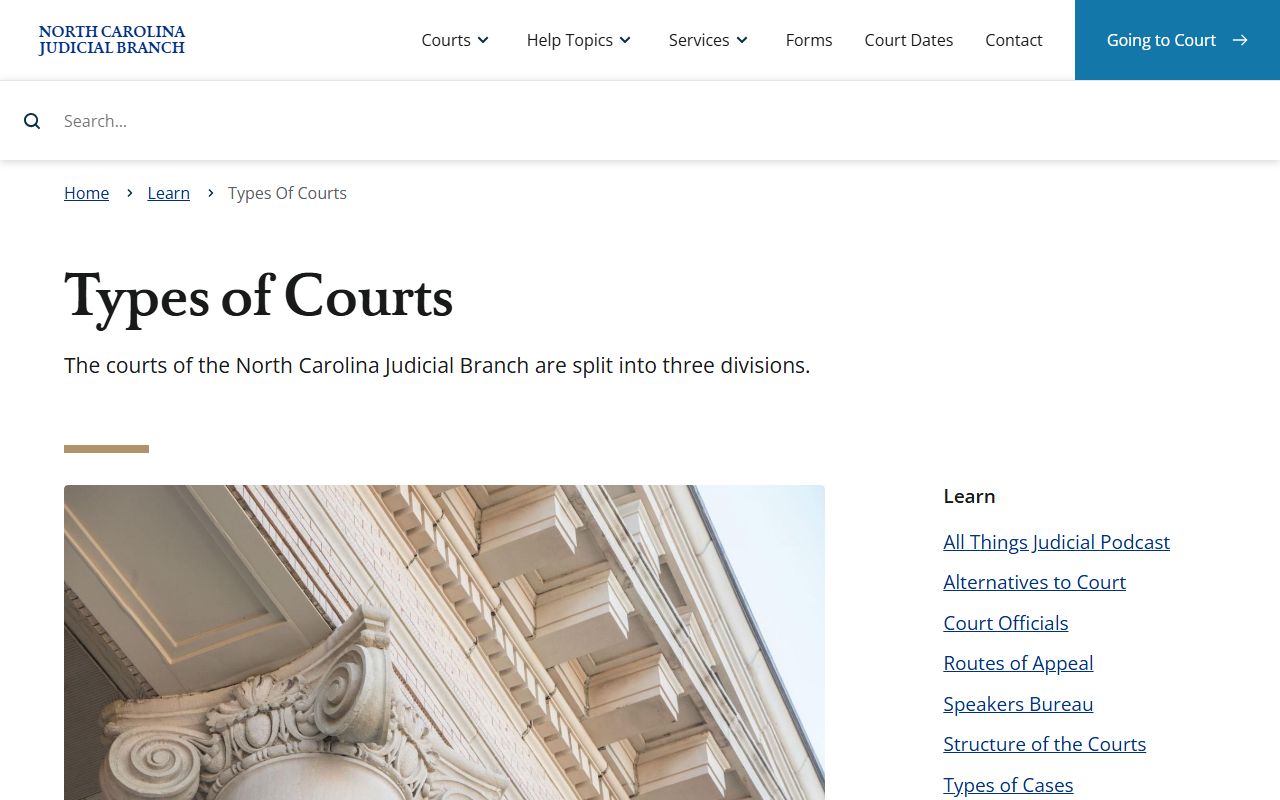
Use the court division shown in a docket result to decide whether the case is a Superior Court matter, a District Court matter, or a clerk-handled special proceeding.
| Court or Office | Docket Role | Local Contact |
|---|---|---|
| Mecklenburg County Superior Court | Felony criminal, larger civil cases, and appeals from District Court. | Clerk 704-686-0400 |
| Mecklenburg County District Court | Misdemeanor, traffic, infraction, small claims, family, juvenile, and first appearance settings. | District Court Judges 704-686-0101 |
| Clerk of Superior Court | Recordkeeping, paper files, public terminals, probate, estates, payments, and copies. | 704-686-0400 |
| Family Court | Domestic and family case-management settings. | 704-686-0202 |
| Drug Treatment Court | Recovery court settings and program-related review dates. | 980-314-1950 |
Superior Court Dockets in Mecklenburg
Superior Court docket entries are important for felony criminal cases, larger civil disputes, and appeals from District Court. The Superior Court overview notes that North Carolina superior court judges rotate among districts, which means a docket may list assignments and settings that reflect statewide scheduling practices, not a permanent local judge assigned to every case.
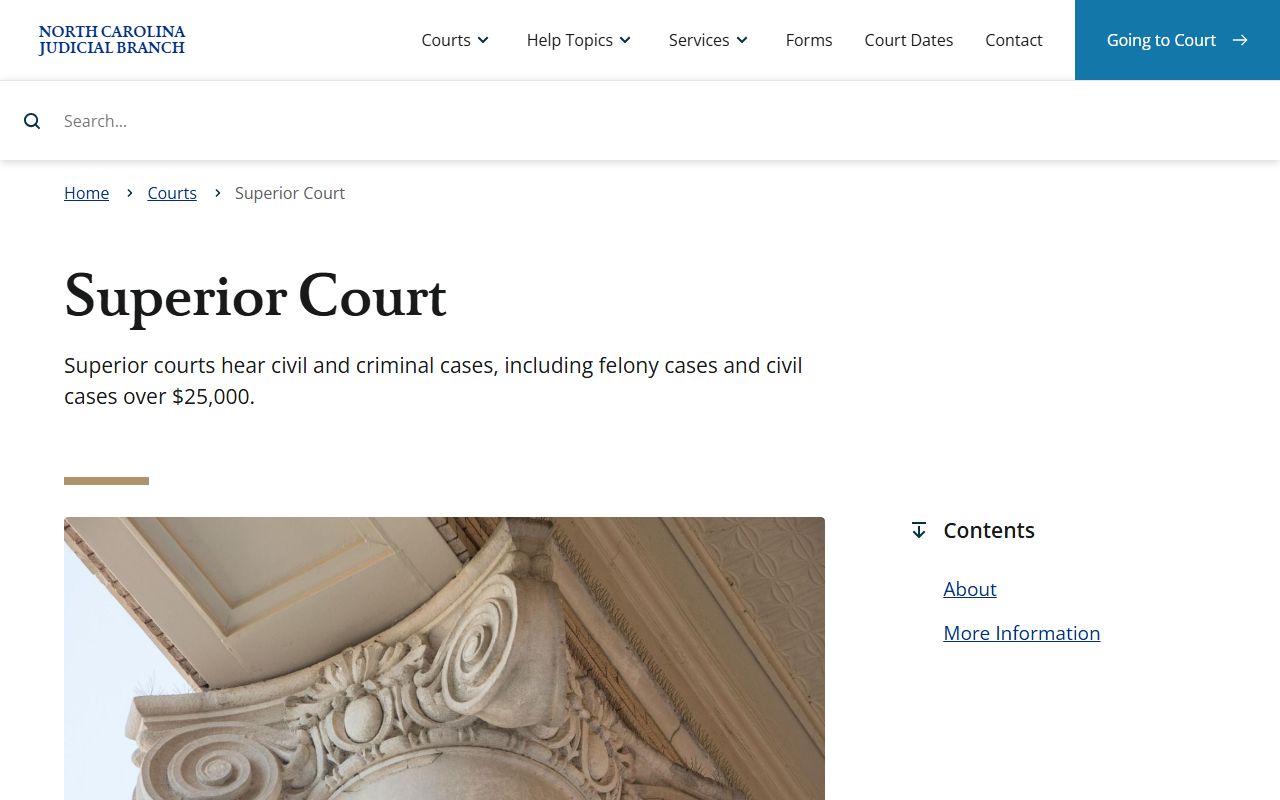
When a Mecklenburg docket shows a Superior Court setting, the event should be read with the case type, indictment status, motions, and disposition history.
Criminal felony cases often begin with arrest or magistrate process, then move through District Court first appearance steps before indictment or transfer into Superior Court. Civil cases move by amount and subject matter. A docket entry alone may show that a hearing occurred, but the order or judgment explains the legal result.
Dockets vs Mecklenburg Court Records
A docket is a map of activity. The full court record is the file. For example, a docket may list "motion filed," "hearing continued," or "judgment entered." The full case record may include the motion itself, the signed order, exhibits that are public, sentencing papers, or a certified judgment. That is why docket searches are good for tracking progress but not always enough for legal review.
| Comparison Point | Docket or Hearing Search | Full Case Record |
|---|---|---|
| Format | Calendar entries and chronological events. | Case summary plus filings, orders, judgments, and documents when public. |
| Best Use | Confirm court dates, status changes, and case movement. | Review pleadings, dispositions, sentencing, copies, and certified records. |
| Access Route | Portal Search Hearings and Smart Search. | Portal, public terminal, paper file, or Clerk of Superior Court request. |
| Limits | May change quickly and may not include document text. | May require fees, staff review, or certified-copy request. |
Mecklenburg County Specialty Dockets
Mecklenburg is linked by the Judicial Branch to recovery and treatment court programs, including Adult Treatment Court, Family Treatment Court, Mental Health Treatment Courts, Youth Treatment Courts, and DWI Treatment Courts. These programs can create review settings, compliance hearings, and treatment-related docket events. Public access depends on the case type and confidentiality rules, especially for juvenile, family, and mental health matters.
The Recovery Courts overview describes North Carolina recovery courts as a structured court response for eligible participants whose cases involve substance use, mental health, or co-occurring disorders.
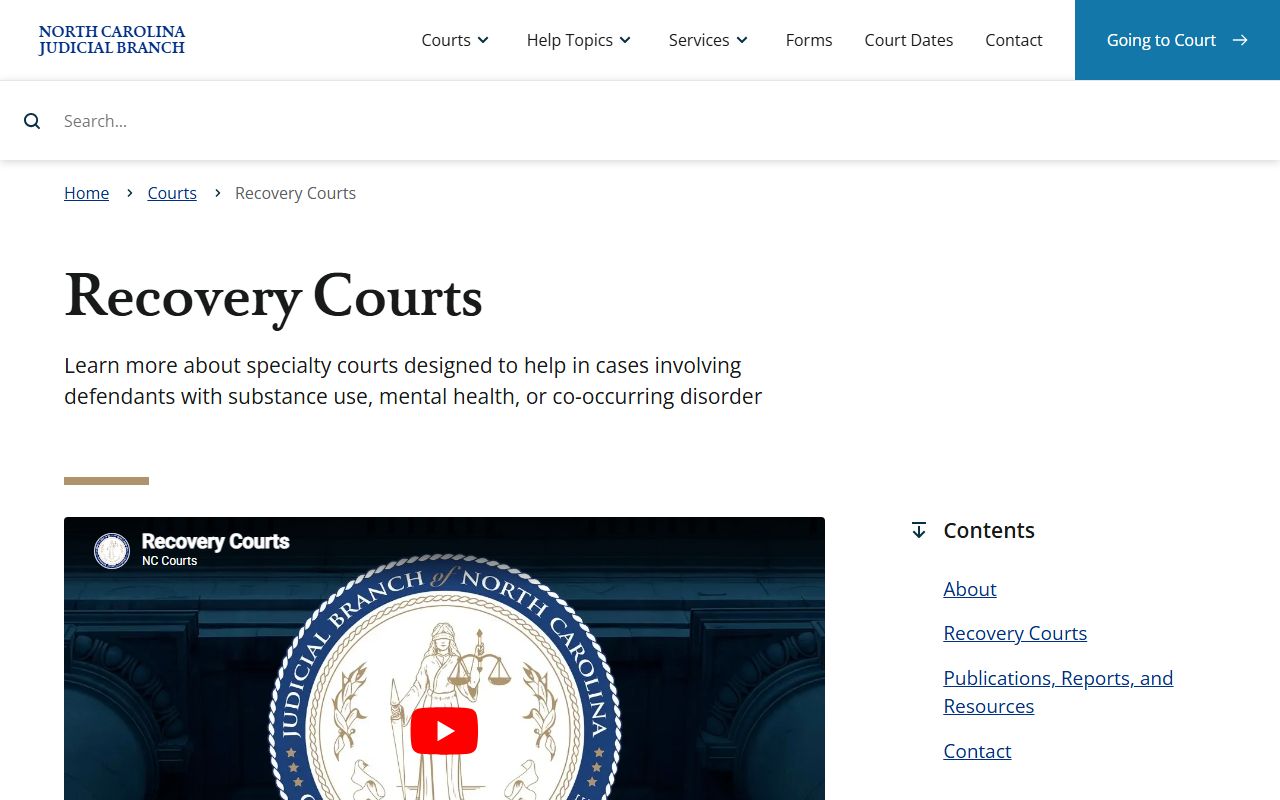
Recovery court references in a docket should be read as program-related court supervision, not as a separate court system outside the General Court of Justice.
For criminal calendars, the adult track is the most direct specialty docket comparison. The Adult Treatment Court page describes adult recovery courts as an intermediate sanction for repeat offenders with substance use, mental health, or co-occurring disorders. A docket entry tied to that track may reflect treatment review, compliance monitoring, or a case-management setting rather than a trial date.
In Mecklenburg criminal dockets, treatment court settings may appear alongside ordinary pretrial, plea, probation, or compliance events.
Family-related specialty settings use a different frame. The Family Treatment Court page covers recovery-court work tied to parents or guardians in child welfare cases. These docket references should be read with extra care because the public calendar may expose less detail than the parties, attorneys, or court staff can see.
Family treatment docket entries may be more limited to the public because child welfare, juvenile, and family records can carry confidentiality limits.
Missing Mecklenburg County Dockets
If a Mecklenburg County docket or hearing does not appear online, use the fallback chain from the research. Start with Portal Search Hearings, then Smart Search. If the matter was filed before October 9, 2023 and the document or event cannot be found, email the correct clerk division with the record type, party names, and file number if known. Criminal files use meckcriminalrecords@nccourts.org. Civil files use meckcivilrecords@nccourts.org. Estate special proceedings use meckestates@nccourts.org.
For urgent day-of-court questions, call the Clerk of Superior Court at 704-686-0400 or the relevant local line from the contact directory, such as Family Court at 704-686-0202, District Court Judges at 704-686-0101, or Drug Treatment Court at 980-314-1950. A person who is checking a criminal court date should also understand that a missed court date can lead to an order for arrest or other case consequences.